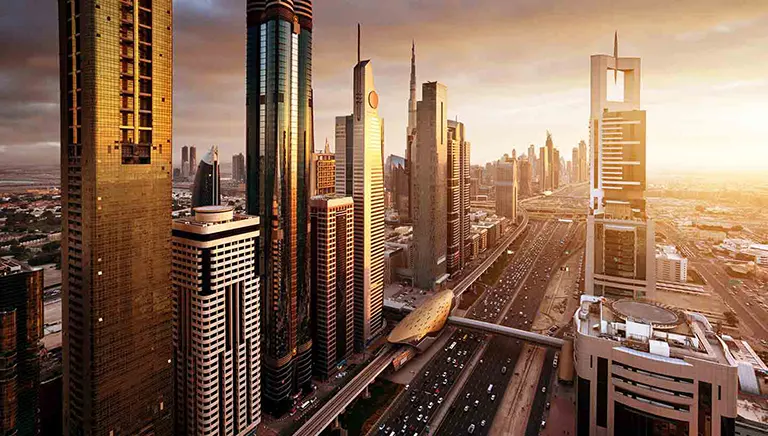
Dubai prime office shortage is driving a surge in commercial property acquisitions as investors and corporations scramble to grab Grade A space. At the same time, the emirate’s residential sector enters a more mature growth phase characterized by value-driven demand and longer holding plans.
According to new statistics from Engel & Völkers Middle East, Dubai’s real estate market is poised to thrive in 2026, with activity increasingly centered in high-quality assets across both residential and commercial categories. Capital deployment is gaining momentum, particularly in the commercial office market, where a shortage of suitable Dubai’s prime office spaces in key business locations and ongoing corporate growth are driving demand.
The last residential sales transactions in Dubai stood at 15,981, which is an increase of 20.8 per cent as compared to 13,152 deals in the same period. The value of total home sales rose by Dh55.9 billion, 55.3 percent, representing a major shift to more expensive purchases and to superior locations around the city.
Luxury Property Boom and Strong Rental Yields Signal Market Maturity
In the luxury segment, Dubai recorded nearly 1,000 residential deals valued at over Dh10million in January, which constitutes one of the highest monthly results ever recorded. Existing premium addresses such as Palm Jumeirah and NAD Al Sheba, along with the increasing high-end complexes such as Palm Jebel Ali, The Oasis, and Jumeirah Golf Estates 2, have all been encouraging demand.
The average gross rental yields of flats and villas have also risen to approximately 6.9 percent, which solidifies the appeal of Dubai to income-seeking investors. Nevertheless, as prices are still increasing in key locations, this growth is changing to a more stable and sustainable market cycle, with the growth trend slowing since 2023 and 2025.
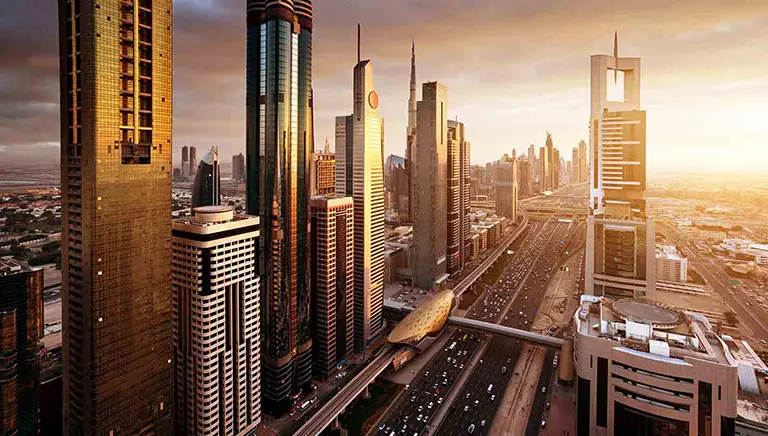
Dubai Prime Office Space Shift Toward Long-Term Investment as Commercial Sector Gears Up for Growth
The emerging residential environment, as explained by V.S. Bijukumar, a property consultant based in Dubai, portrays a growing residential market with longer holding time and a growing inclination towards buy-to-stay and yield-oriented strategy rather than short-term speculative business.
Thus, Dubai’s prime commercial real estate market is expected to catch up in 2026, and the driving force is a significant call in the office demand. Commercial sales totaled Dh17.1 billion, an 82% rise year on year, with 1,446 transactions, up 23.7% from the previous year.
According to Jayakrishnan Bhaskar, CEO of Ozon Marketing Management, the office market has performed particularly well. Transaction volumes for office buildings increased 133% year on year, while the total value of office sales increased 296%, indicating fierce competition for limited Grade A inventory. Investors and corporations are increasingly making early commitments to acquire space in prominent business zones such as DIFC, Downtown Dubai, and Business Bay.